

Mullaperiyar Dam: History, Engineering Marvel, and the Ongoing Debate
Let us explore the fascinating story of the Mullaperiyar Dam.
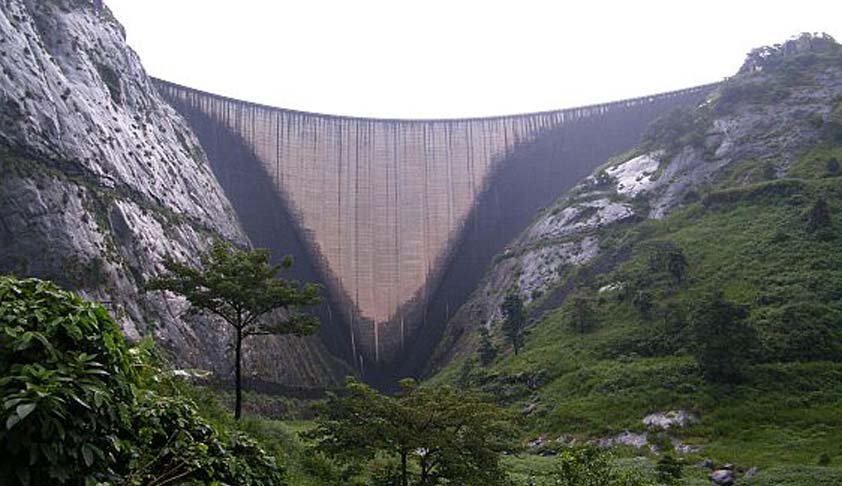
For decades, the Mullaperiyar Dam has remained one of the most discussed and controversial structures in South India. Every time concerns about dam safety, water levels, earthquakes, or interstate disputes emerge, the name Mullaperiyar once again dominates headlines.
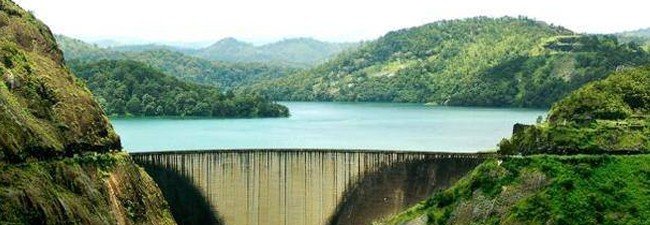
But how many people truly know the remarkable history behind this 130-year-old dam? Why was it built? Who constructed it? And why does it continue to be at the center of a heated debate between Kerala and Tamil Nadu?
Where is the Mullaperiyar Dam Located?
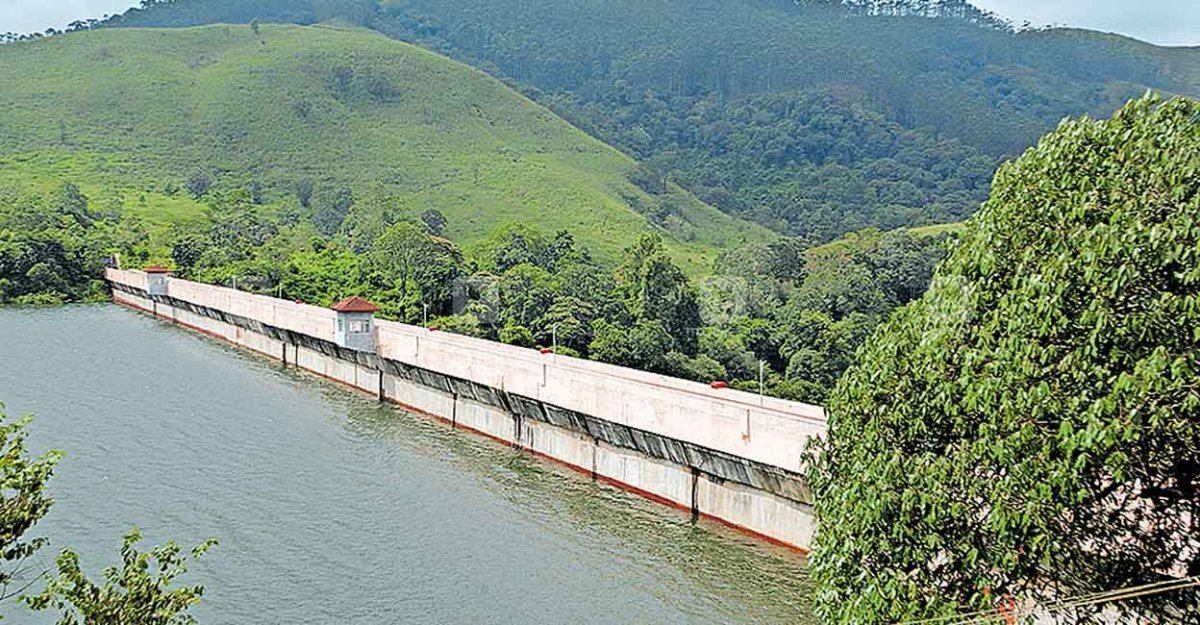
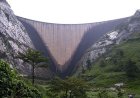
The Mullaperiyar Dam is situated near Kumily in the Idukki district of Kerala, within the Western Ghats. It is built across the Mullayar River, a tributary that joins the Periyar River, Kerala's longest river.
Surrounded by the lush forests of Thekkady and the Periyar Wildlife Sanctuary, the dam forms the beautiful Periyar Lake that attracts thousands of tourists every year.
Although the dam is located entirely within Kerala, its stored water is primarily used by Tamil Nadu for irrigation and power generation.
Why Was the Dam Built?
Before the construction of the dam, enormous quantities of water from the Periyar River flowed westward into the Arabian Sea. Meanwhile, the rain-shadow regions of present-day Tamil Nadu—including Madurai, Theni, Dindigul, Ramanathapuram, and Cumbum—suffered from severe droughts and water scarcity.
The idea was simple but ambitious: divert part of the Periyar's water eastward through the Western Ghats into the Vaigai River basin, thereby transforming dry agricultural lands into fertile farmland.
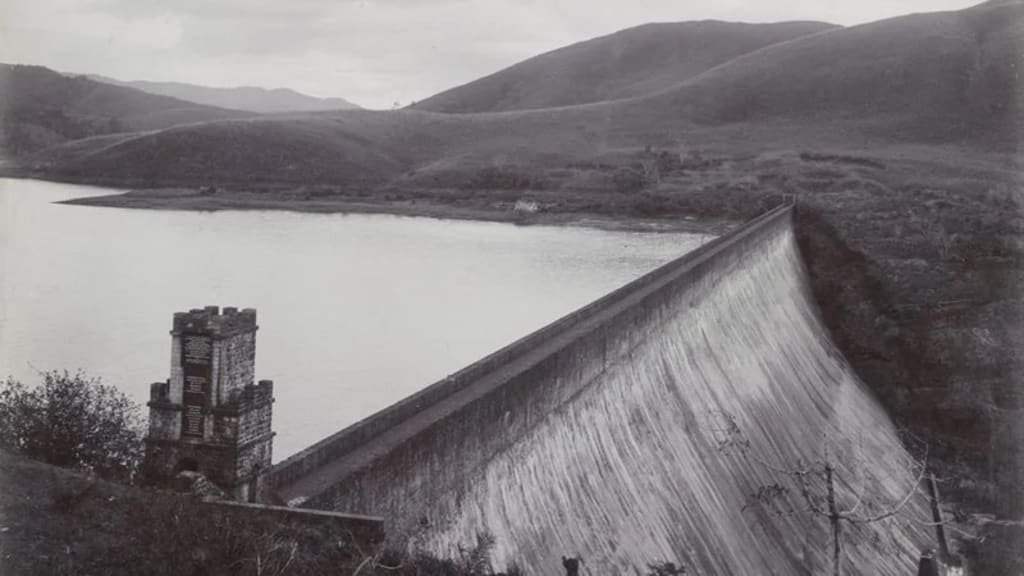
This vision eventually became the foundation of the Mullaperiyar Project.
The Early Proposals
The first known proposal dates back to 1789, when Muthirulappa Pillai, the Prime Minister of the Ramanathapuram Kingdom, suggested diverting Periyar water towards the Vaigai basin.
Several attempts were later made by British engineers to study the feasibility of the project. Engineers such as James Caldwell, Captain Faber, Major Ryves, and General Walker proposed different designs, but technical difficulties and financial challenges prevented implementation.
Eventually, a workable design emerged in the late nineteenth century.
Colonel John Pennycuick: The Man Behind the Dam
The turning point came in 1882 when British engineers Colonel John Pennycuick and R. Smith were entrusted with preparing a final plan.
Pennycuick proposed a masonry gravity dam approximately 155 feet high. The structure would be built using stone masonry bonded with lime-surkhi mortar, a common engineering material of that era.
The estimated cost was around 5.3 million rupees—a massive investment at the time.
Recognizing the potential agricultural benefits, the British administration approved the project.
Construction Challenges
Building the dam in the dense forests of the Western Ghats was an enormous challenge.
Workers faced:
- Heavy monsoon rains
- Malaria and tropical diseases
- Difficult terrain
- Wild animal attacks
- Frequent flooding
Temporary structures were repeatedly washed away by floods, forcing engineers to rebuild sections multiple times.
Thousands of laborers worked on the project, and many lost their lives during construction. Materials were transported through a combination of waterways, roads, and rail networks.
Despite these hardships, construction continued with determination.
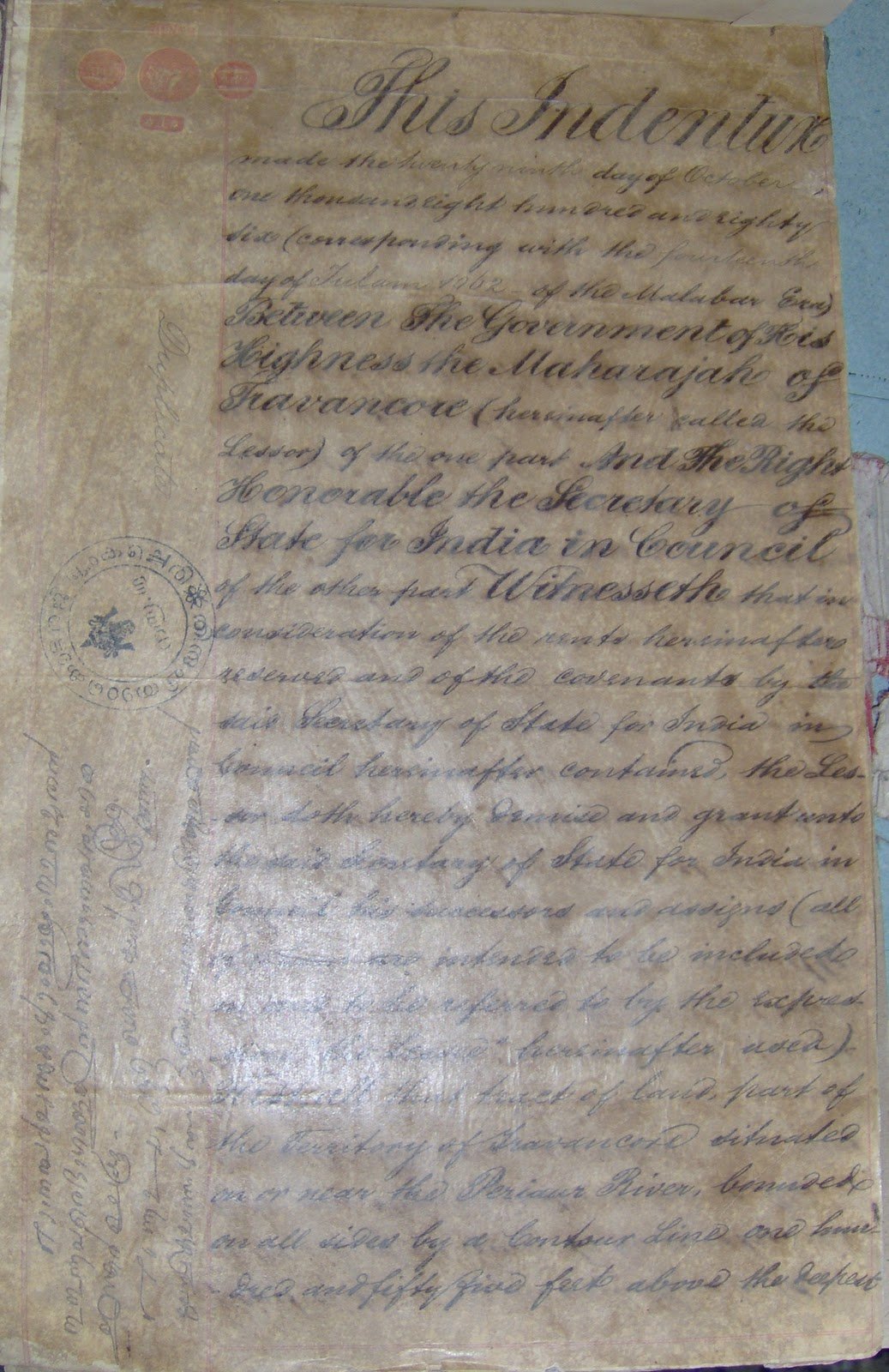
The Historic Periyar Lease Agreement
Since the project was located within the princely state of Travancore, British authorities required permission from the Travancore Kingdom.
On October 29, 1886, the famous Periyar Lease Agreement was signed between the Maharaja of Travancore and the British Government.
Key provisions included:
- 8,000 acres of land were leased for the reservoir.
- Additional land allocated for dam construction.
- Lease period fixed at 999 years.
- Annual lease payment to Travancore.
The agreement remains one of the most debated legal documents in Indian water-sharing history.
Completion of the Dam
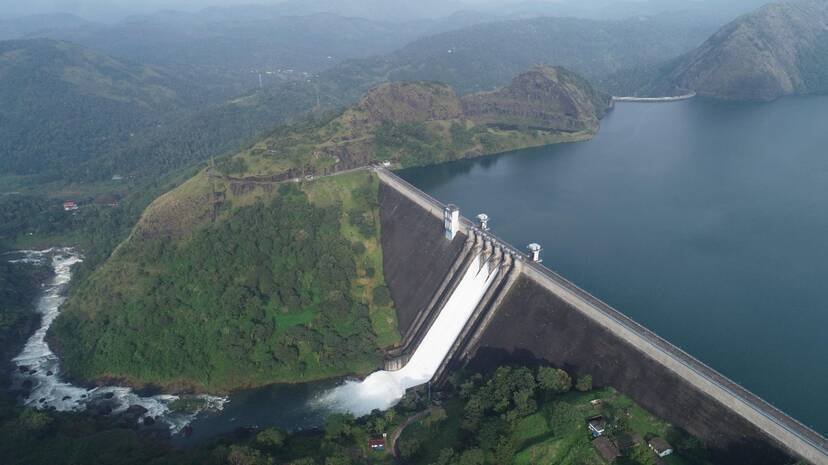
Construction was completed in 1895.
The project successfully diverted water from the Periyar basin toward Tamil Nadu through a tunnel system stretching over 5,700 feet.
The result was revolutionary. Vast agricultural regions that previously struggled with drought gained access to a reliable source of water, boosting farming and economic development.
The reservoir created by the dam also led to the formation of what is now the scenic Periyar Lake.
Engineering Significance
The Mullaperiyar Dam occupies a unique place in engineering history.
Some notable facts include:
- One of India's oldest large dams.
- Among the oldest surviving masonry gravity dams in the world.
- Constructed using lime-surkhi mortar instead of modern cement concrete.
- Approximately 176 feet (53.6 meters) high.
- Approximately 1,200 feet (365.7 meters) long.
At the time of its completion, it was considered one of the most ambitious engineering achievements in British India.
The 1970 Agreement
After India's independence, questions emerged regarding the validity of the original 1886 lease agreement.
In 1970, Kerala and Tamil Nadu signed a revised agreement.
Major changes included:
- Increase in lease payments.
- Permission for Tamil Nadu to generate hydroelectric power using Mullaperiyar water.
- Allocation of additional land for power generation facilities.
The revised agreement continues to govern many aspects of the dam's operation today.
The Safety Debate
The most controversial aspect of the Mullaperiyar Dam concerns its safety.
Kerala has consistently expressed concerns because:
- The dam is over a century old.
- It was built using traditional lime-surkhi technology.
- The region has experienced seismic activity.
- A potential failure could affect several downstream districts.
Tamil Nadu, however, maintains that:
- The dam has undergone strengthening measures.
- Multiple technical studies have found it structurally safe.
- The water is crucial for agriculture and drinking water needs in several districts.
This difference in perspective has led to decades of legal and political disputes.
What Happens If the Dam Fails?
Various studies have attempted to assess the consequences of a hypothetical dam failure.
According to disaster-management assessments, a major breach could result in large volumes of water rushing downstream toward the Idukki Reservoir.
Supporters of Kerala's position argue that millions of people could be affected, while Tamil Nadu points to engineering evaluations that indicate the dam remains safe under current operating conditions.
Because of these differing interpretations, the issue remains a subject of ongoing legal, scientific, and political debate.
Why the Mullaperiyar Dam Matters
The Mullaperiyar Dam is much more than a structure built across a river.
It represents:
- A remarkable feat of nineteenth-century engineering.
- A lifeline for agriculture in Tamil Nadu.
- An environmental landmark within Kerala's Western Ghats.
- A continuing example of interstate water-sharing challenges in India.
More than 130 years after its completion, the dam continues to shape the lives of millions of people on both sides of the border.
Conclusion
Few structures in India combine engineering brilliance, historical significance, environmental importance, and political controversy quite like the Mullaperiyar Dam.
Built during the British era to solve water scarcity in Tamil Nadu, the dam transformed entire regions and remains a vital water resource even today. At the same time, concerns regarding its age, structural safety, and long-term sustainability continue to fuel debate.
As discussions move forward, balancing public safety, environmental concerns, and the water needs of millions will remain the key challenge surrounding one of India's most historic dams.
Mullaperiyar is not merely a dam—it is a living chapter of South Indian history that continues to influence the present and shape the future.
What's Your Reaction?
 Like
0
Like
0
 Dislike
0
Dislike
0
 Love
0
Love
0
 Funny
0
Funny
0
 Wow
0
Wow
0
 Sad
0
Sad
0
 Angry
0
Angry
0

I'm Nikhil CV. Welcome to my blog! I’m passionate about sharing interesting and useful content related to technology, lifestyle, entertainment, thoughts, gadgets, automobiles, and trending topics. Through this platform, I aim to provide informative, creative, and engaging articles that readers can enjoy and learn from. Thank you for visiting and being a part of this journey. Stay connected for more updates, stories, and exciting content!








Comments (0)