

Is Fenugreek Safe During Pregnancy? Benefits and Important Precautions
Fenugreek is a highly nutritious herb known for its numerous health benefits. Commonly used in cooking to enhance flavor, fenugreek is also valued in traditional medicine for improving immunity and supporting overall wellness.
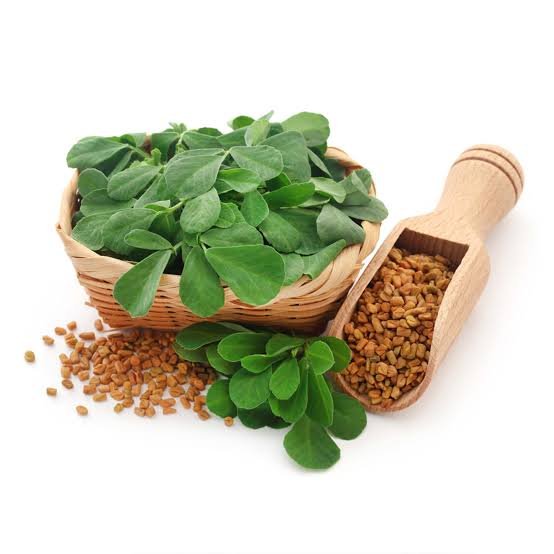
Rich in protein, fiber, Vitamin C, niacin, potassium, iron, and beneficial plant compounds, fenugreek offers several health advantages. It is also widely used in beauty and skincare routines due to its natural healing properties.
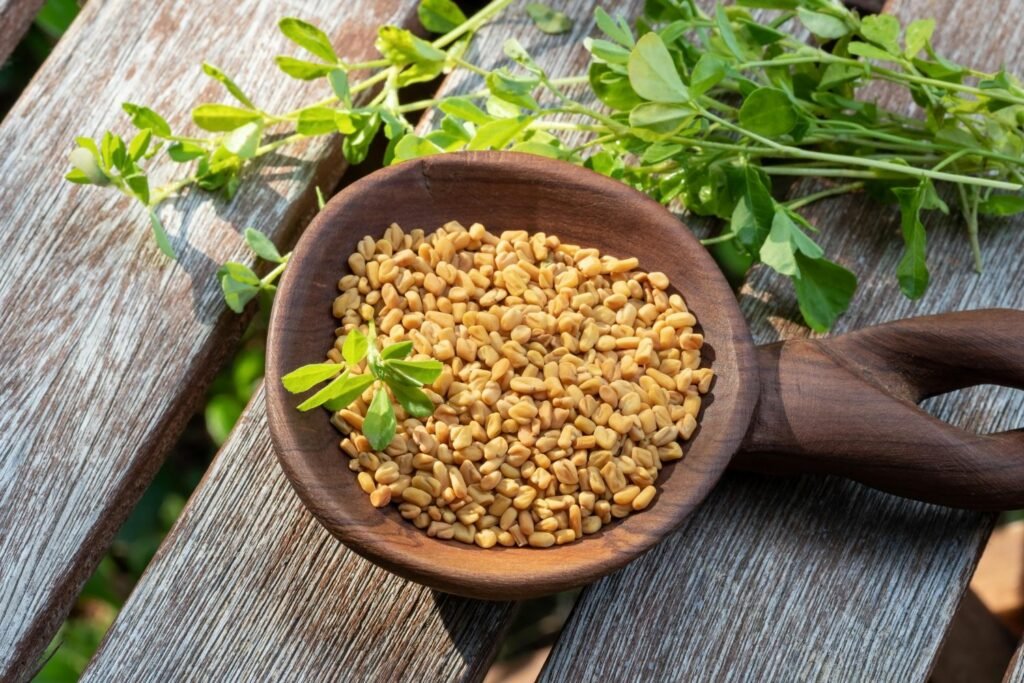
Health Benefits of Fenugreek
Fenugreek is especially beneficial for people with diabetes and those trying to manage excess weight. A common practice is to soak fenugreek seeds overnight and drink the boiled water in the morning. The soaked seeds can also be chewed and eaten daily.
This habit may help with weight management while also supporting blood sugar control. Fenugreek helps regulate glucose levels by improving insulin function. Since it is rich in dietary fiber, it also supports digestion and overall health.
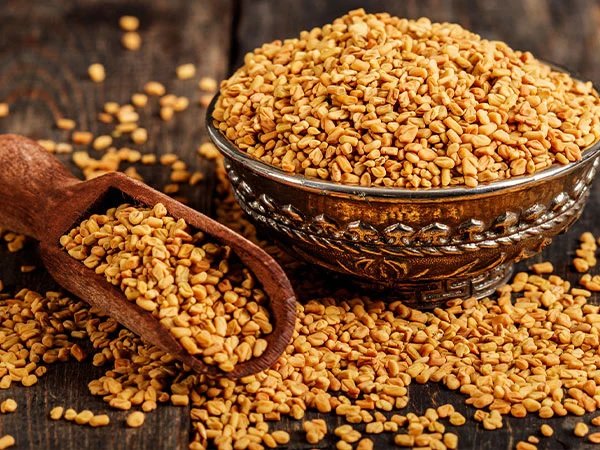
Fenugreek During Pregnancy
Fenugreek may help stimulate uterine contractions, which can sometimes support smoother labor and reduce delivery pain. However, consuming excessive amounts of fenugreek during pregnancy can be risky.
Overconsumption may increase the possibility of premature labor or pregnancy complications. Because of this, pregnant women should consume fenugreek only in moderate amounts and preferably after consulting a healthcare professional.
Women often experience iron deficiency during menstruation, pregnancy, and breastfeeding. Including iron-rich foods such as fenugreek leaves in the diet may help improve iron levels in the body. Pairing them with foods like tomatoes and potatoes may also support better iron absorption.
Benefits for Heart Health
Fenugreek contains a compound called galactomannan, which is considered beneficial for heart health. It may help reduce the risk of heart-related problems.
The potassium present in fenugreek also helps counter the effects of sodium in the body, which may help reduce high blood pressure and irregular heartbeat. As a result, fenugreek can contribute to maintaining better cardiovascular health when consumed as part of a balanced diet.
What's Your Reaction?
 Like
0
Like
0
 Dislike
0
Dislike
0
 Love
0
Love
0
 Funny
0
Funny
0
 Wow
0
Wow
0
 Sad
0
Sad
0
 Angry
0
Angry
0

I'm Nikhil CV. Welcome to my blog! I’m passionate about sharing interesting and useful content related to technology, lifestyle, entertainment, thoughts, gadgets, automobiles, and trending topics. Through this platform, I aim to provide informative, creative, and engaging articles that readers can enjoy and learn from. Thank you for visiting and being a part of this journey. Stay connected for more updates, stories, and exciting content!










Comments (0)