

Different Types of Cameras
Different Types of Cameras
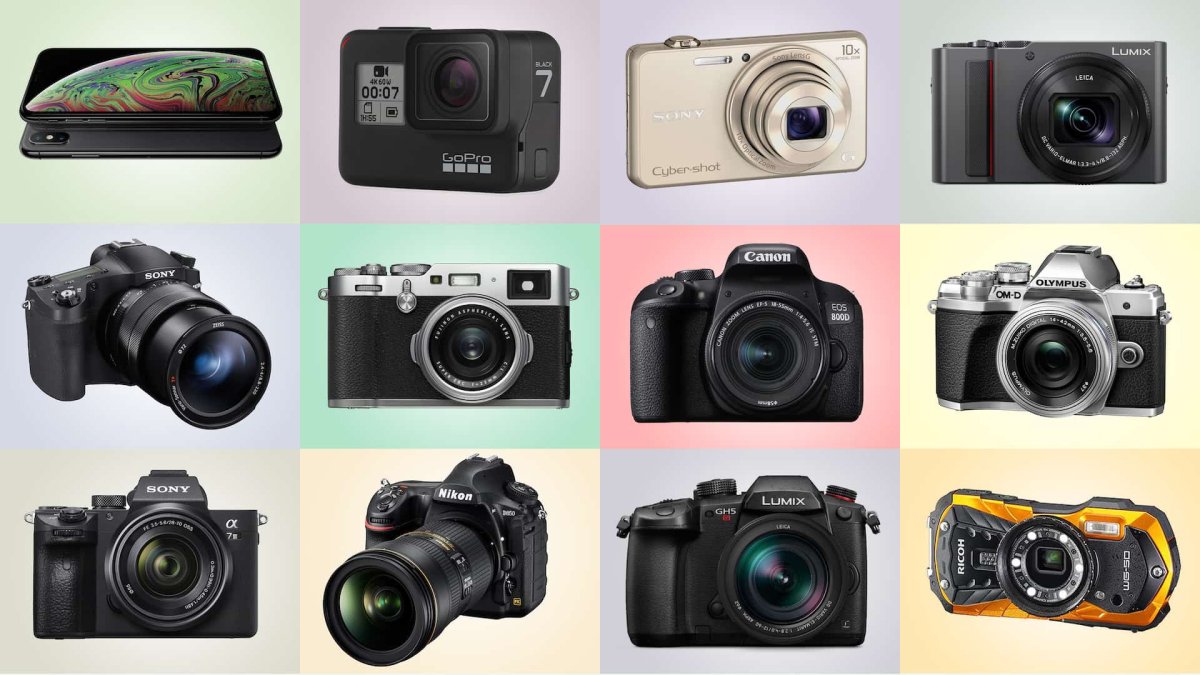
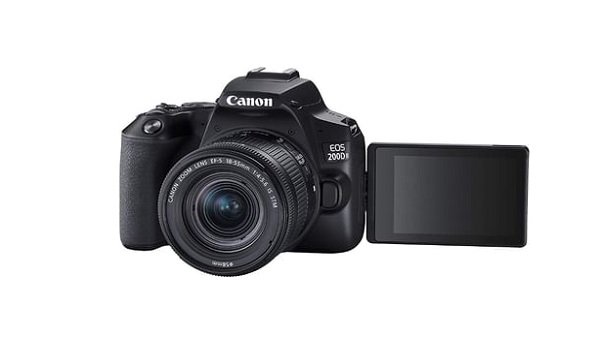
Photography enthusiasts and professional photographers consider cameras to be one of their most essential tools. Cameras come in many different types, each designed for specific purposes and environments. Let’s explore the various types of cameras and their features.
1. DSLR Cameras
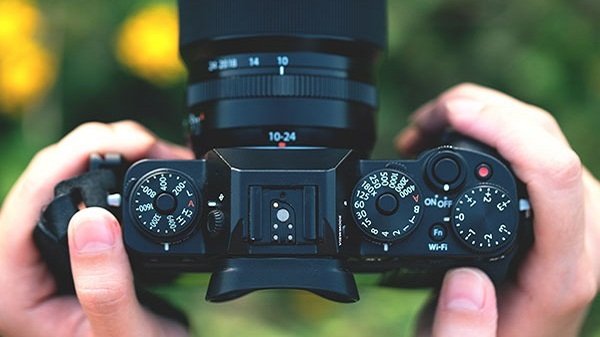
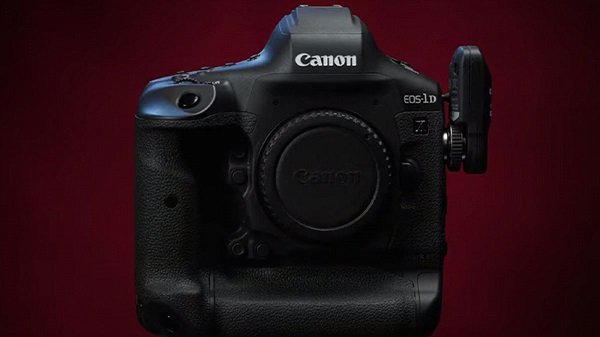
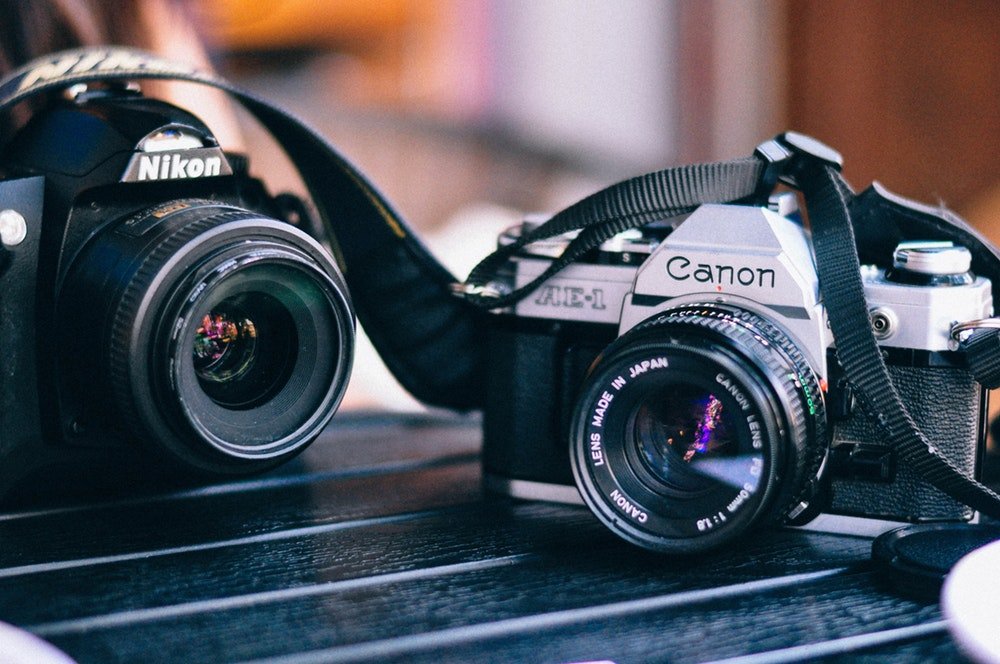
DSLR cameras (Digital Single-Lens Reflex) hold a special place among photography enthusiasts.
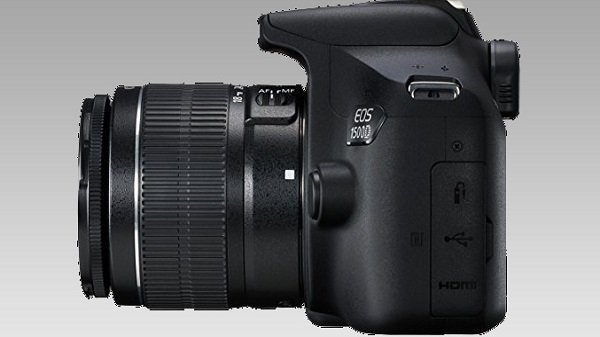
With interchangeable lenses and large image sensors, DSLR cameras deliver excellent image and video quality. Their optical viewfinders and advanced creative controls provide photographers with a more immersive shooting experience. DSLR cameras have become one of the most influential tools in modern photography.
How DSLR Cameras Work
DSLR cameras use a unique technology to capture images. The key component is the optical viewfinder. Light entering through the lens is redirected by a mirror into the viewfinder, allowing photographers to see the scene in real time before taking the shot. When the shutter button is pressed, the mirror flips up, allowing light to reach the image sensor. This mechanism is the core technology behind DSLR cameras.
Advantages of DSLR Cameras
-
Interchangeable Lenses: DSLR cameras allow users to swap lenses easily, including wide-angle, telephoto, and macro lenses depending on the shooting requirement.
-
High Image Quality: Large sensors help capture sharp details and produce superior image quality. Creative controls like ISO, shutter speed, and aperture provide greater flexibility.
-
Optical Viewfinder: The optical viewfinder offers a lag-free and accurate real-time view through the lens.
-
Versatile Usage: DSLR cameras are widely used in professional photography, sports, wildlife, journalism, and television production.
-
Long Battery Life: Since optical viewfinders consume less power than LCD screens, DSLR batteries generally last longer.
Disadvantages of DSLR Cameras
-
Heavy and Bulky: Professional DSLR cameras are often large and heavy, making them less portable.
-
Expensive: Professional DSLR bodies, lenses, and accessories can be costly.
2. Mirrorless Cameras
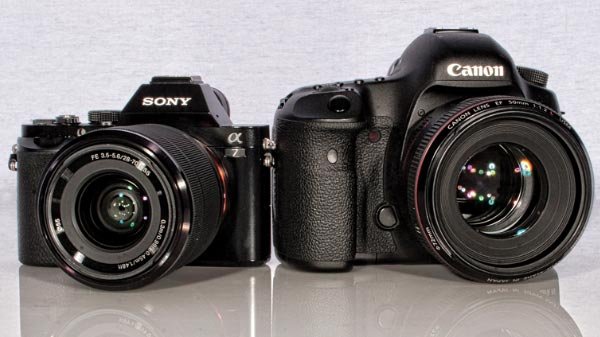
Mirrorless cameras represent a modern evolution in photography. They are similar to DSLR cameras but do not use an optical viewfinder or mirror mechanism.
The photography world has seen many technological advancements, and mirrorless cameras are among the most significant innovations after DSLRs.
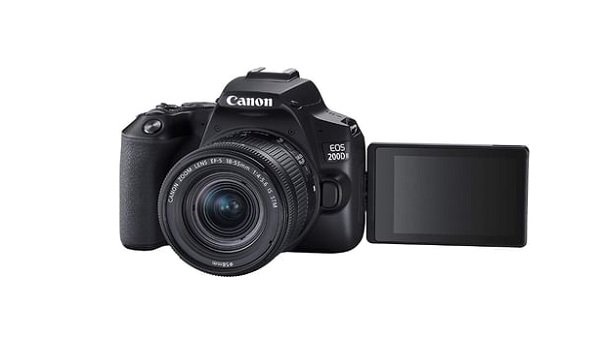
Like DSLRs, they also support interchangeable lenses. Their electronic viewfinders (EVF) help photographers preview images more accurately.
How Mirrorless Cameras Work
Unlike DSLR cameras, mirrorless cameras do not contain a mirror mechanism. Light passes directly through the lens to the image sensor, and the live preview is displayed on the electronic viewfinder or LCD screen.
Advantages of Mirrorless Cameras
-
Compact and Lightweight: Without the mirror mechanism, mirrorless cameras are smaller and lighter, making them ideal for travel photography.
-
Improved Autofocus: Advanced autofocus systems provide faster and more accurate focusing, especially for sports and action photography.
-
Electronic Viewfinder: EVFs allow photographers to preview exposure, white balance, and shutter settings before capturing the image.
-
Excellent Video Features: Mirrorless cameras often support advanced video capabilities such as 4K and 6K recording with higher frame rates.
-
Latest Technology: Modern mirrorless models feature image stabilization, dual card slots, improved ISO performance, and faster shutter speeds.
Disadvantages of Mirrorless Cameras
-
Shorter Battery Life: EVFs and LCD screens consume more power, reducing battery life compared to DSLRs.
-
Lens Availability: Some mirrorless systems may have fewer lens options, and lenses can be expensive.
-
Higher Cost: Advanced technology often makes mirrorless cameras more expensive.
3. Point-and-Shoot Cameras
Point-and-shoot cameras are compact and easy-to-use cameras with fixed lenses. They are ideal for beginners, casual photographers, travelers, and anyone who wants to capture everyday moments effortlessly.
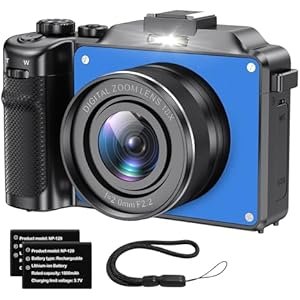
How Point-and-Shoot Cameras Work
These cameras are designed for simplicity. Unlike DSLR or mirrorless cameras, they do not require complex settings or advanced controls. Users can simply point the camera and press the shutter button.
Advantages of Point-and-Shoot Cameras
-
Easy to Use: Automatic modes and scene recognition make photography simple.
-
Portable: Small and lightweight, they fit easily into pockets or small bags.
-
Affordable: Generally cheaper than DSLR and mirrorless cameras.
-
Quick Photography: Fast operation helps capture important moments instantly.
-
Durable Models Available: Some models are waterproof, shockproof, and dustproof, making them suitable for travel and adventure.
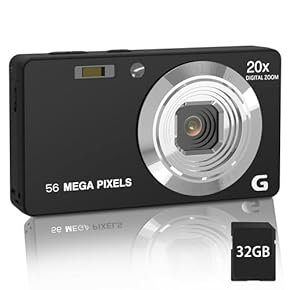
Disadvantages of Point-and-Shoot Cameras
-
Limited Creative Control: Fixed lenses and limited manual settings reduce flexibility.
-
Lower Image Quality: Smaller sensors struggle in low-light conditions.
-
Limited Upgrades: Users cannot change lenses or significantly upgrade the system.
4. Action Cameras
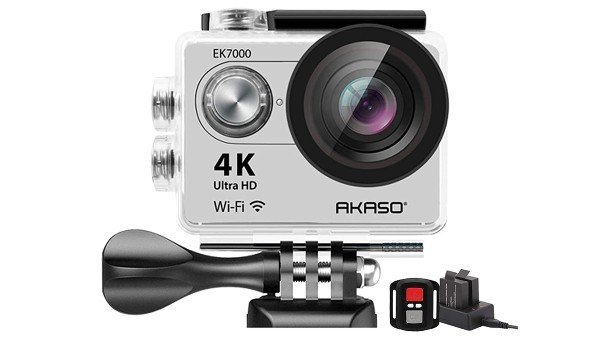
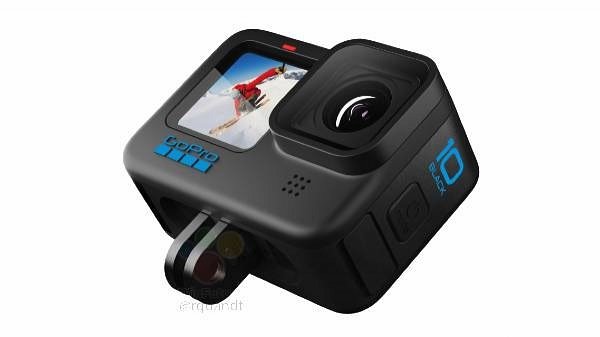
Action cameras are ideal for adventure photography, sports, travel, and wildlife shooting. These compact yet powerful devices are designed for extreme environments and dynamic activities.
With features like 4K recording and advanced image stabilization, action cameras deliver impressive performance in challenging conditions.
Features of Action Cameras
Action cameras are usually compact, rugged, waterproof, shockproof, and dustproof. They are designed for high-intensity activities and support features like ultra-wide-angle lenses, 4K/60FPS recording, and image stabilization.
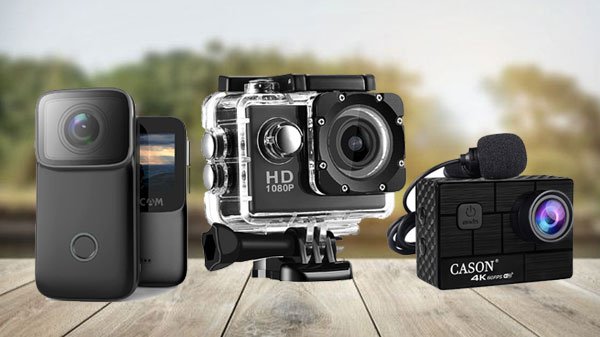
Advantages of Action Cameras
-
Highly Portable: Small and lightweight for easy carrying.
-
Waterproof and Shockproof: Suitable for swimming, scuba diving, trekking, and mountain adventures.
-
Excellent Video Recording: Supports high-resolution recording with smooth stabilization.
-
Wide-Angle Lenses: Captures immersive and expansive scenes.
-
Easy Connectivity: Can sync with smartphones and laptops for live streaming and editing.
Disadvantages of Action Cameras
-
Limited Photography Controls: Less creative control compared to DSLRs or mirrorless cameras.
-
Small Sensors: Low-light performance may be weaker.
-
Large Video Files: High-resolution videos require significant storage and processing power.
5. Instant Cameras

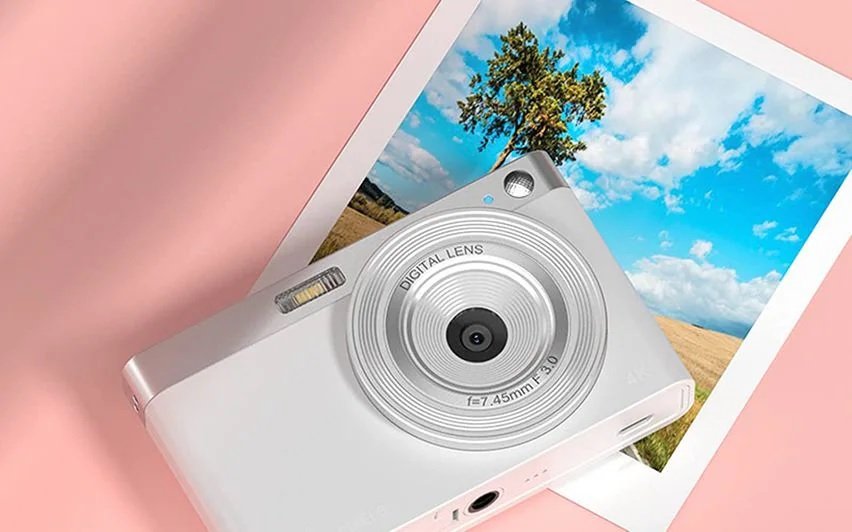
Instant cameras are the modern versions of classic Polaroid cameras. They print photos immediately after capturing them, offering a nostalgic photography experience.
Even in the digital age, instant cameras remain popular because of their unique charm and physical photo prints.
How Instant Cameras Work
Once a photo is captured, the camera instantly prints the image onto film paper. Within seconds, the image develops and becomes visible.
Advantages of Instant Cameras
-
Instant Printing: Physical photo prints are available immediately.
-
Easy to Use: Simple controls make them suitable for all age groups.
-
Nostalgic Experience: Printed photos create a vintage and memorable feel.
-
Creative Expression: Great for scrapbooking, decorations, and gifting.
-
Physical Memories: Printed photos often feel more valuable than digital files.
Disadvantages of Instant Cameras
-
Expensive Film: Film cartridges can be costly.
-
Lower Image Quality: Photos may not match the quality of digital cameras.
-
Single Print Limitation: Without digital copies, reprints are difficult.
6. 360-Degree Cameras
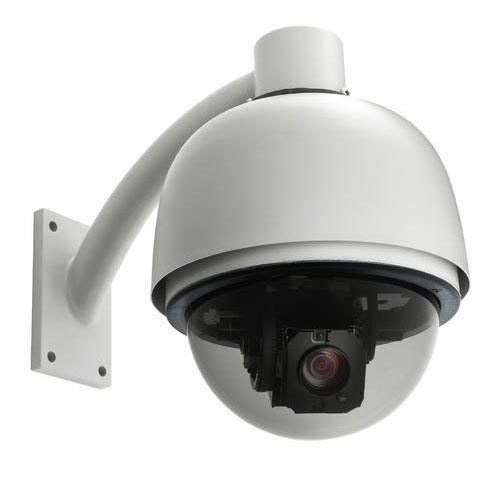
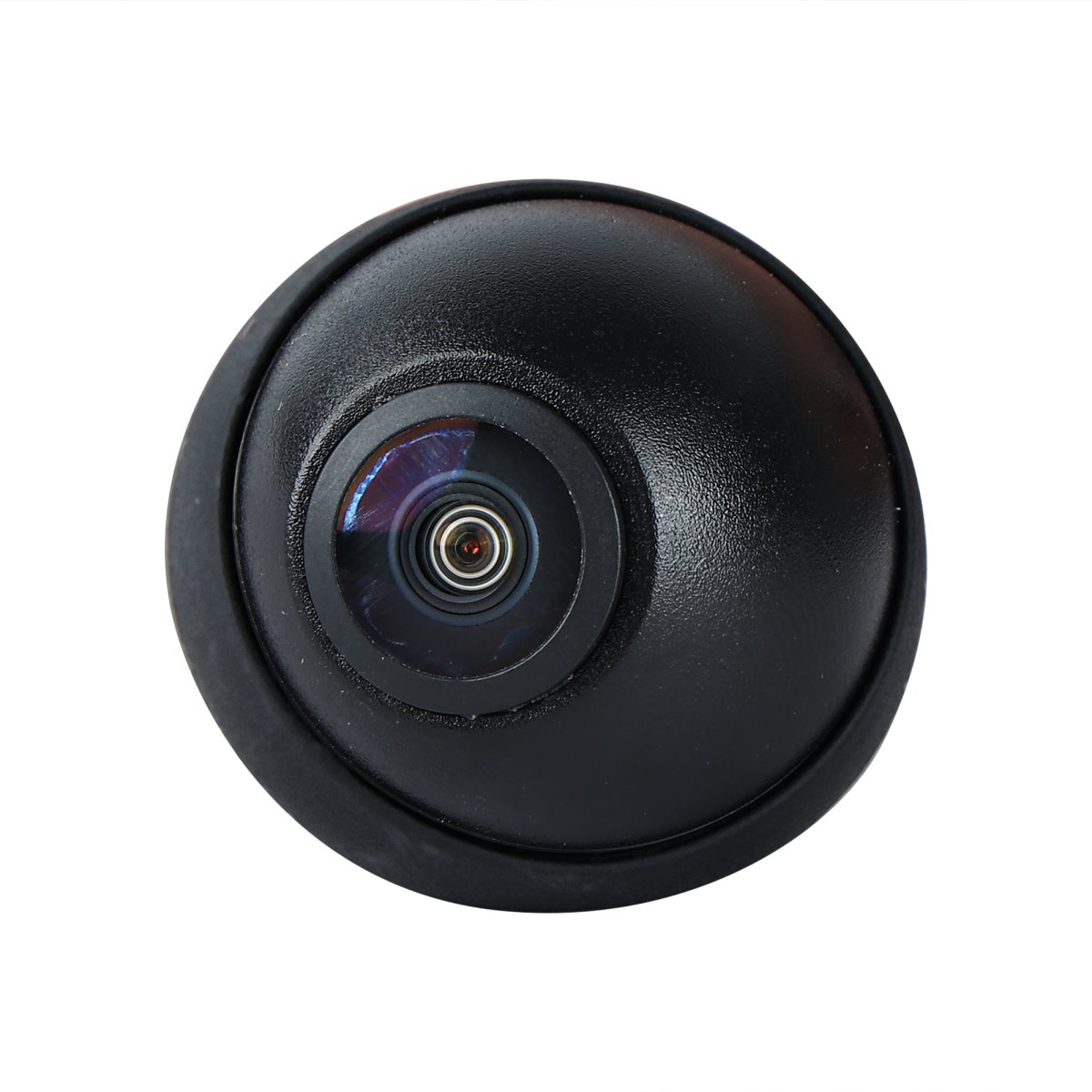
360-degree cameras are designed to capture immersive photos and videos in every direction. They are widely used for travel content, virtual reality (VR), and creative media production.
How 360-Degree Cameras Work
These cameras use multiple lenses to capture scenes from different directions. Software then stitches these images together into a full 360-degree photo or video.
Advantages of 360-Degree Cameras
-
Complete Scene Capture: Records every angle of the environment.
-
VR Experience: Viewers can feel fully immersed using VR devices.
-
Simple Shooting: No need to focus on a single frame or direction.
-
Social Media Compatibility: Popular on platforms like YouTube and Facebook.
-
Creative Freedom: Offers unique storytelling possibilities.
Disadvantages of 360-Degree Cameras
-
Expensive: High-quality models and editing software can be costly.
-
Large File Sizes: 360-degree videos require substantial storage space.
-
Resolution Challenges: Image quality may appear lower when viewing specific areas.
-
Practical Limitations: Managing all-angle capture can sometimes be difficult.
7. Smartphone Cameras
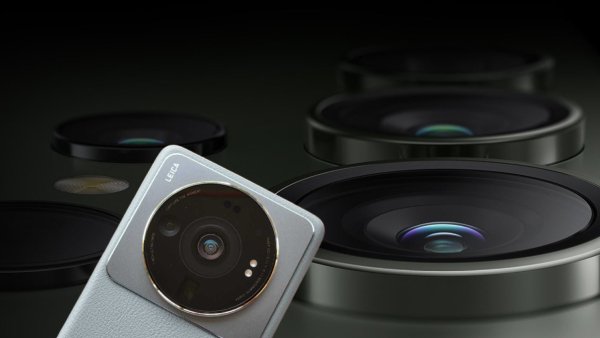
Smartphone cameras have become one of the most important camera systems today. Modern smartphones feature advanced lenses, powerful sensors, AI enhancements, and professional-level video recording capabilities.
From casual snapshots to professional content creation, smartphone cameras have transformed modern photography.
Features of Smartphone Cameras
-
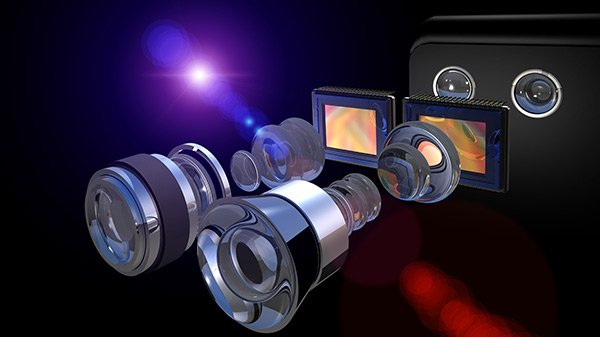
Multi-Lens Systems: Wide-angle, telephoto, macro, and ultra-wide lenses offer versatility.
-
Advanced Image Processing: AI-powered enhancements improve colors, detail, and low-light performance.
-
Portrait Mode: Creates professional-looking background blur effects.
-
4K/8K Video Recording: Supports cinematic-quality video capture.
-
Image Stabilization: Technologies like OIS help produce blur-free images and smooth videos.
Advantages of Smartphone Cameras
-
Always Accessible: Your camera is always with you.
-
Easy to Use: Suitable even for beginners.
-
Social Media Integration: Instantly share photos and videos online.
-
Affordable Alternative: Provides strong photography features without buying a separate camera.
Disadvantages of Smartphone Cameras
-
Limited Lens Flexibility: Lenses cannot usually be changed.
-
Small Sensor Size: Lower image quality compared to professional cameras in certain situations.
-
Battery Drain: Heavy camera usage consumes battery quickly.
-
Processing Limitations: High-resolution processing may sometimes slow the device.
Conclusion
Different cameras are designed for different needs. DSLRs, mirrorless cameras, point-and-shoot cameras, action cameras, instant cameras, 360-degree cameras, and smartphone cameras each have their own strengths and limitations.
Understanding your photography requirements will help you choose the most suitable camera for your creative journey.
What's Your Reaction?
 Like
1
Like
1
 Dislike
0
Dislike
0
 Love
0
Love
0
 Funny
0
Funny
0
 Wow
0
Wow
0
 Sad
0
Sad
0
 Angry
0
Angry
0

I'm Nikhil CV. Welcome to my blog! I’m passionate about sharing interesting and useful content related to technology, lifestyle, entertainment, thoughts, gadgets, automobiles, and trending topics. Through this platform, I aim to provide informative, creative, and engaging articles that readers can enjoy and learn from. Thank you for visiting and being a part of this journey. Stay connected for more updates, stories, and exciting content!








Comments (0)